

Everyone deserves to be safe.
Domestic violence is a pattern of behavior that involves using many tactics, from verbal, emotional, and financial abuse to physical and sexual assaults.
Domestic violence is about power and control over another person in an intimate relationship. An abuser’s attempts to control their partner can be intimidating and damaging.
Anyone experiencing domestic violence may feel fear, guilt, shame, embarrassment, and pain. Their self-esteem suffers and the controlling and intimidating behavior of their partner can isolate them from seeking support.
Domestic violence happens to people of all walks of life; it does not matter their race, ethnicity, social class, age, or gender, whether they are LGBT or not. Domestic violence happens to both men and women; however, 90% to 95% of the victims are women.
What is Domestic Violence?
Facts About Abuse
-
A 2020 statewide survey by the University of Alaska Anchorage’s Justice Center and CDVSA found 57.7% of Alaska women have experienced intimate partner violence or sexual violence in their lifetimes—a 14.7% increase since 2015. In the past year, 8.1% reported such experiences Alaska Beacon+3Alaska Department of Public Safety+3University of Alaska Anchorage+3.
Approximately 30.2% of Alaska men report lifetime physical or sexual intimate partner violence or stalking University of Alaska Anchorage.
Alaska has some of the highest rates of gender-based violence in the U.S., including the highest murder rate of women by men SAFV+1Reddit+1.
For American Indian and Alaska Native (AI/AN) individuals, rates are especially grave:
Up to 85% of Alaska Native women report experiencing violence in their lifetimes, including almost two-thirds of women raped SAFVanjc.org+1VAWnet+1.
AI/AN women experience violence at rates up to 10 times higher than the U.S. average murkowski.senate.gov+2SAFV+2University of Alaska Anchorage+2.
Psychological aggression, stalking, and sexual violence disproportionately impact this community Reddit+4Wikipedia+4Wikipedia+4.
-
Violence is widespread—affecting more than half of women and one-third of men in Alaska.
Native communities bear a disproportionate burden, with historical and systemic factors contributing to heightened vulnerability and limited access to services ANDVSA+15VAWnet+15University of Alaska Anchorage+15Reddit.
Remote and rural areas often lack law enforcement, shelters, and legal support—making survivors less likely to report and more likely to be isolated.
-
Intimate Partner Violence (IPV) includes physical harm, sexual abuse, stalking, and emotional coercion.
Child Abuse & Family Violence often correlate with adverse childhood experiences (ACEs), which significantly increase risk for adult victimization and emotional instability Alaska Department of Public Safety.
Psychological Aggression, such as verbal abuse, coercion, or control. University of Alaska Anchorage+2Wikipedia+2SAFV+2.
-
Many rural communities lack infrastructure or jurisdictional capacity to respond—creating gaps in safety and prosecution of crimes committed by non-Native individuals on tribal or ANSCA lands VAWnet.
Funding challenges: CDVSA received a $3.7M funding increase in 2024—the first since 2017—but advocates say at least $20M is needed to meet prevention needs and support survivors statewide Kyuk+1Alaska Beacon+1.
Without sustained funding, agencies face service reductions, limited shelter access, reduced outreach, and fewer education programs Kyuk+1ANDVSA+1.
-
Abuse is not rare—it affects more than half of all women and many men across Alaska.
Communities need targeted responses: culturally sensitive services, rural outreach, and tribal collaboration.
Prevention isn’t optional—it’s essential to breaking cycles of violence and empowering survivors.
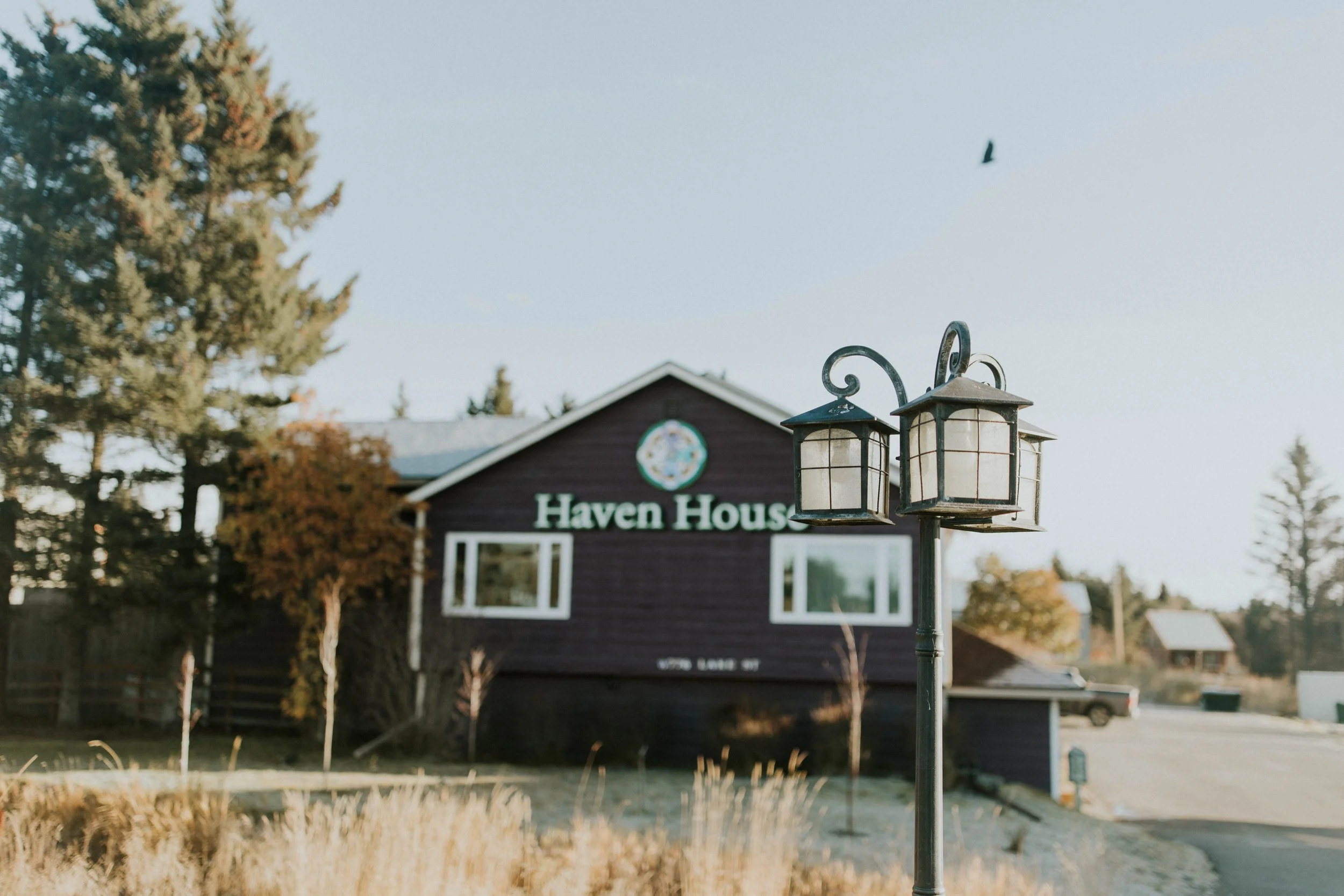
Supporting local organizations like Haven House and statewide networks (ANDVSA, CDVSA) is critical to building infrastructure, outreach, and long-term impact.
-
Alaska Department of Public Safety
Domestic Violence Awareness Month - Alaska stats | News | University of Alaska Anchorage
Domestic Violence and Sexual Assault Victims and Survivors | Alaska Native Justice Center
Violence against women in the United States
Support for Survivors - ANDVSA
Abuse often starts subtly—and can be hard to recognize or describe. But knowing the signs empowers individuals and communities to intervene, support survivors, and prevent escalation. Below is a guide to potential red flags in various types of abuse.
Intimate Partner & Dating Violence
Abuse in relationships can take many forms:
Warning Signs of Abuse
-
Fear of expressing disagreement or making partner angry
Public humiliation, insults, manipulation
Coercive threats (e.g., “If you leave me, I’ll harm myself”)
-
Being pushed, slapped, kicked, thrown
Frequent “accidental” injuries
Restricts access to friends, family, or medical care
-
Pressure or force for unwanted sexual activity
Feeling unsafe saying “no”
Sex used as a tool of control rather than mutual consent
Signs in Other Types of Abuse
-
Sudden behavioral changes or academic decline
Regression (bedwetting, fearfulness)
Unexplained bruises, withdrawal, or aggression
-
Unexplained injuries or malnutrition
Isolation from friends and family
Sudden financial changes (missing money, new caretakers)
-
Persistent unwanted contact via calls, messages, tracking
Presence at home/work against their will
Sending unwanted gifts or threats
Alaska-Specific Context
Approximately 58% of Alaska women have faced intimate partner or sexual violence—far exceeding national averages
Alaskan youth report rising depression (27% → 43%) and electronic bullying (14.7% → 20%)—factors that both reflect and worsen abuse dynamics.
Abuse disproportionately affects Alaska Native communities—85% of Alaska Native women report experiencing violence, often combined with historical trauma and limited access to resources.
Why Recognizing Warning Signs Matters
Early awareness allows timely intervention, potentially stopping abuse before it grows.
Bystander education (like Upstander/Bystander) equips community members to safely interrupt or report suspicious behavior.
Identifying signs in youth or seniors opens opportunities for targeted support and system involvement (e.g., child protection services).
What You Can Do
Listen & validate: Believe survivors who express concerns.
Offer information: Share local resources like Haven House, CARELINE (877) 266-4357, or the National Domestic Violence Hotline (800) 799-7233.
Stay with them: Offer safety planning support and practical help.
Report: Call 911 for emergencies; report child or elder abuse to appropriate authorities.
Get trained: Learn bystander skills through Upstander/Bystander or attend prevention workshops.
Resources & Training
Join Upstander/Bystander Alaska workshops to build bystander intervention skills
Attend CDVSA’s Prevention Summit to learn community-based response techniques
Use ANDVSA’s online trainings to understand dynamics of power, control, and trauma-informed response
We're here for you.
If you or someone you know needs support, has questions, or simply wants to connect, we’re always here to listen. Whether you’re seeking services, looking for guidance, or want to learn more about what we do. Please don’t hesitate to reach out.
Your message is confidential, and your voice matters.
**This email is only monitored during office hours (M-F, 8:30-4:30). If you need immediate help, please call the 24 hr Crisis Line: 907-235-8943 or toll free 1-800-478-7712.